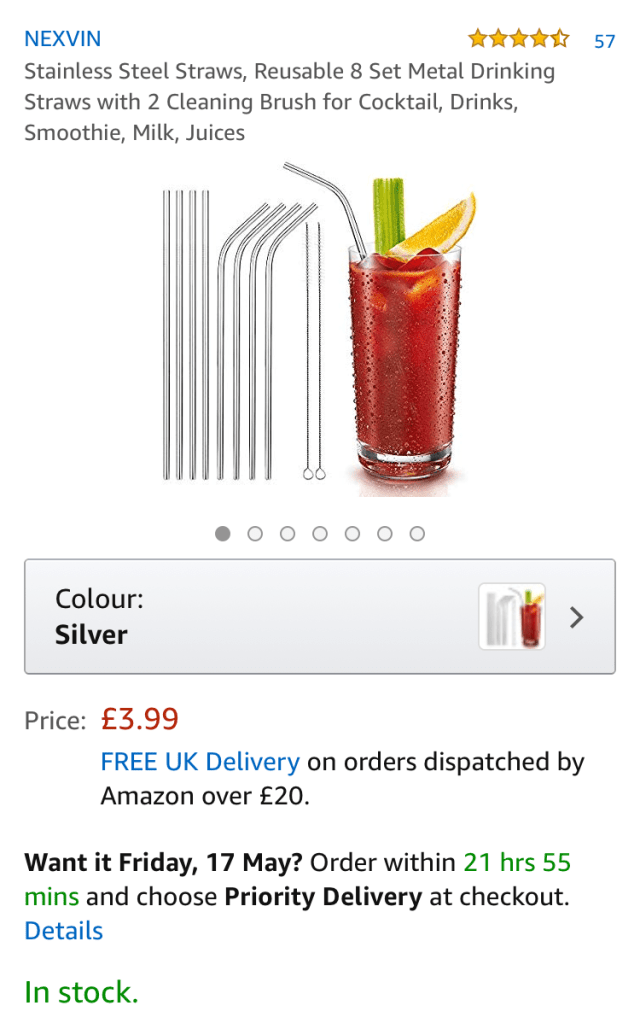
Are you sick of slurping through paper straws that go to mush if you leave them in your drink for more than 5 minutes? Well my answer to that problem is suck it up or don’t use one. Because despite it being a little inconvenient it is a small step to cutting down on plastic. Before you continue with this post please watch this video.
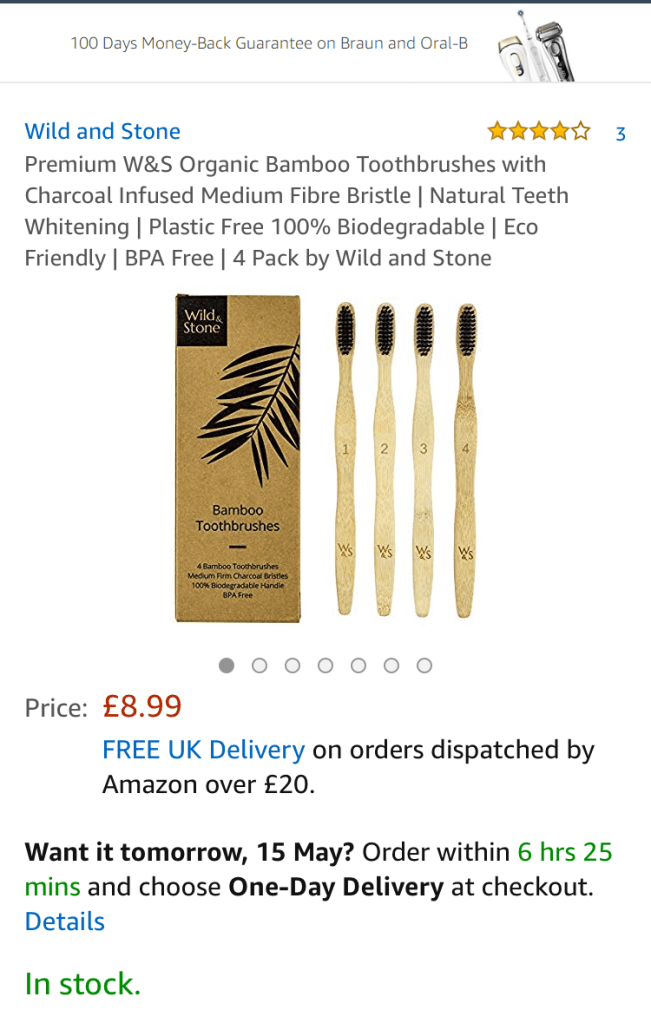
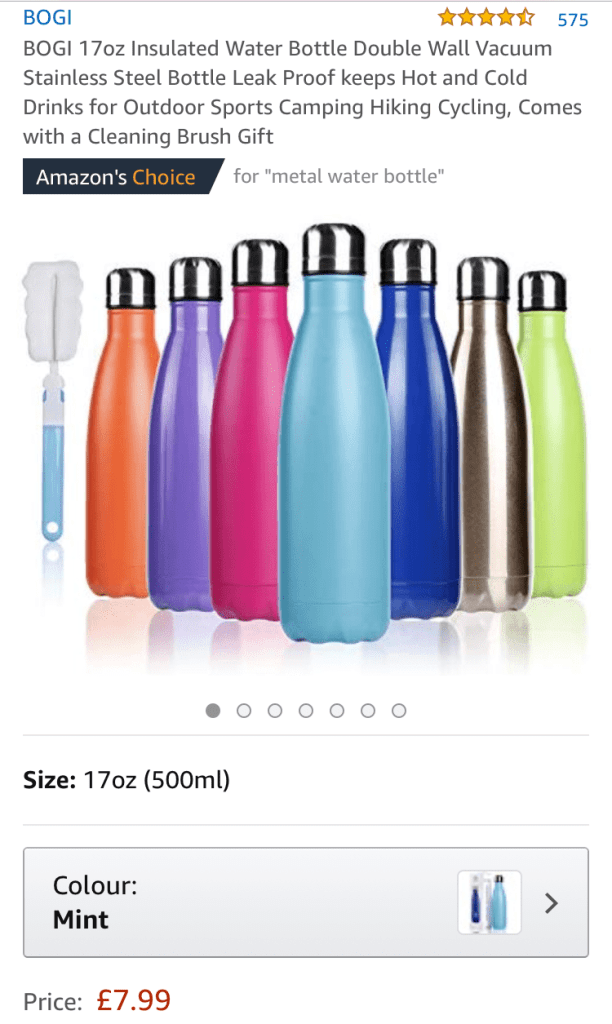
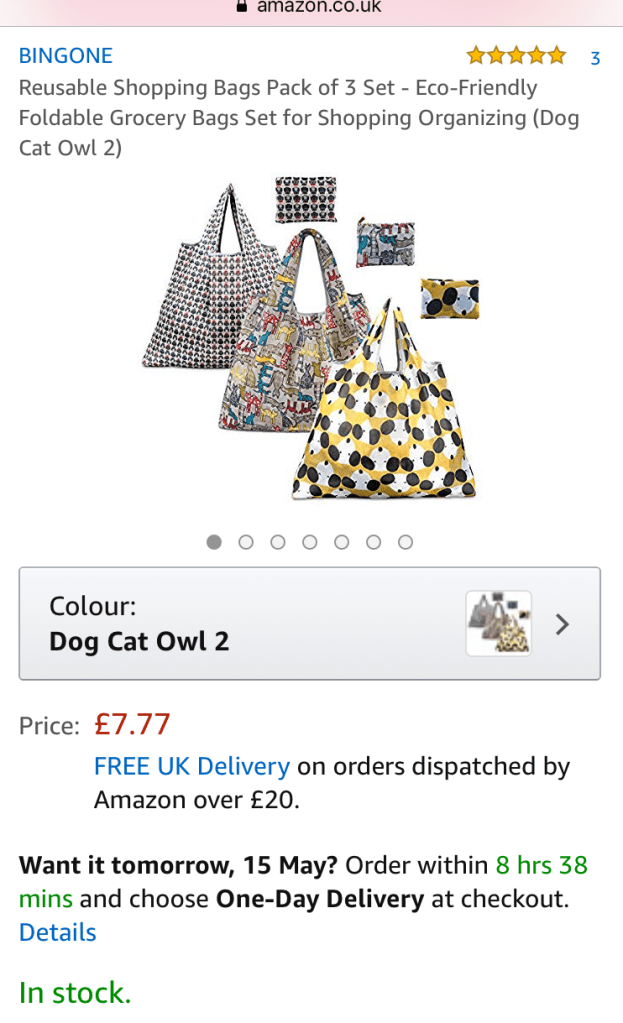
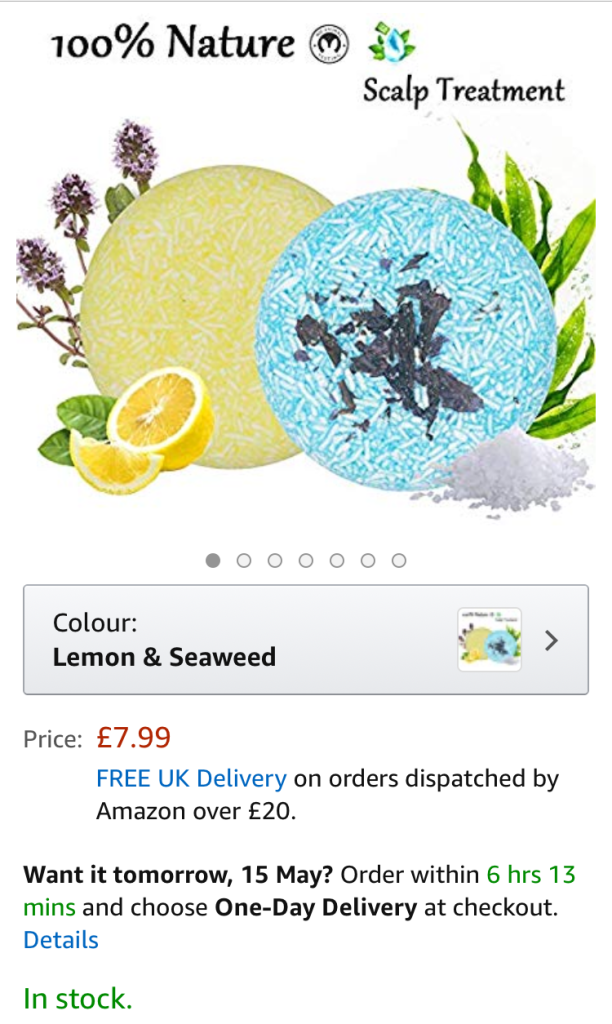
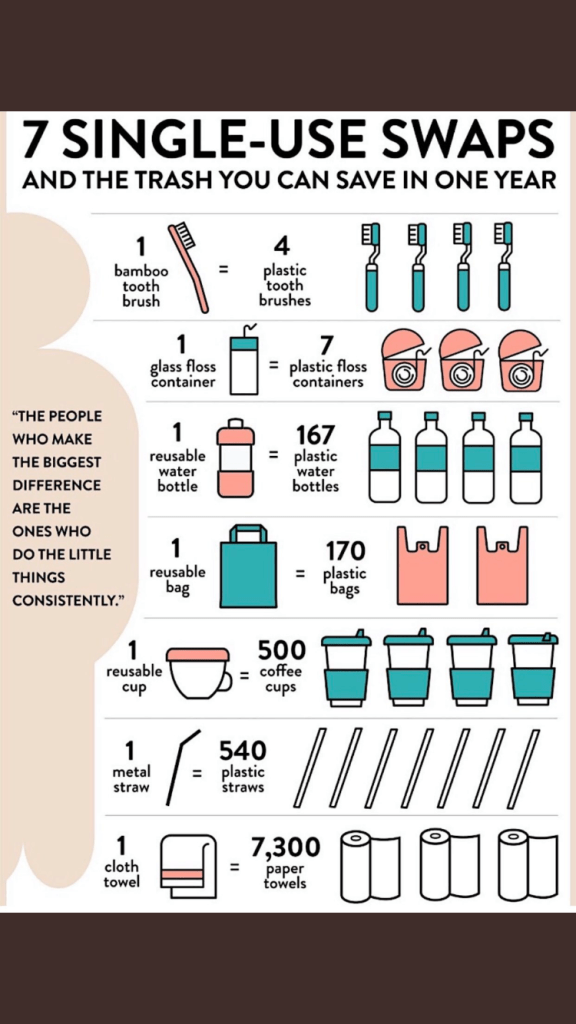
This post will give you 5 simple swaps you could make:
‘Global warming’ and ‘Climate change’ are terms I have been aware of since I was a young girl. At the age of about 6 I was an Eco warrior in primary school. Through that I learnt that the ice caps were melting and the world was warming up. I learnt recycling was important and turning the lights off when I left the room was a must. I still practise those things today but it is time I learnt more, more about what is going on right now, how the problem has progressed and how it will continue to worsen if we don’t take action.
This post is just to relay facts that I have found from other sources with much more knowledge so at the end of the post I will link all the websites/sources I got my information from if you’d like to research anything any further.
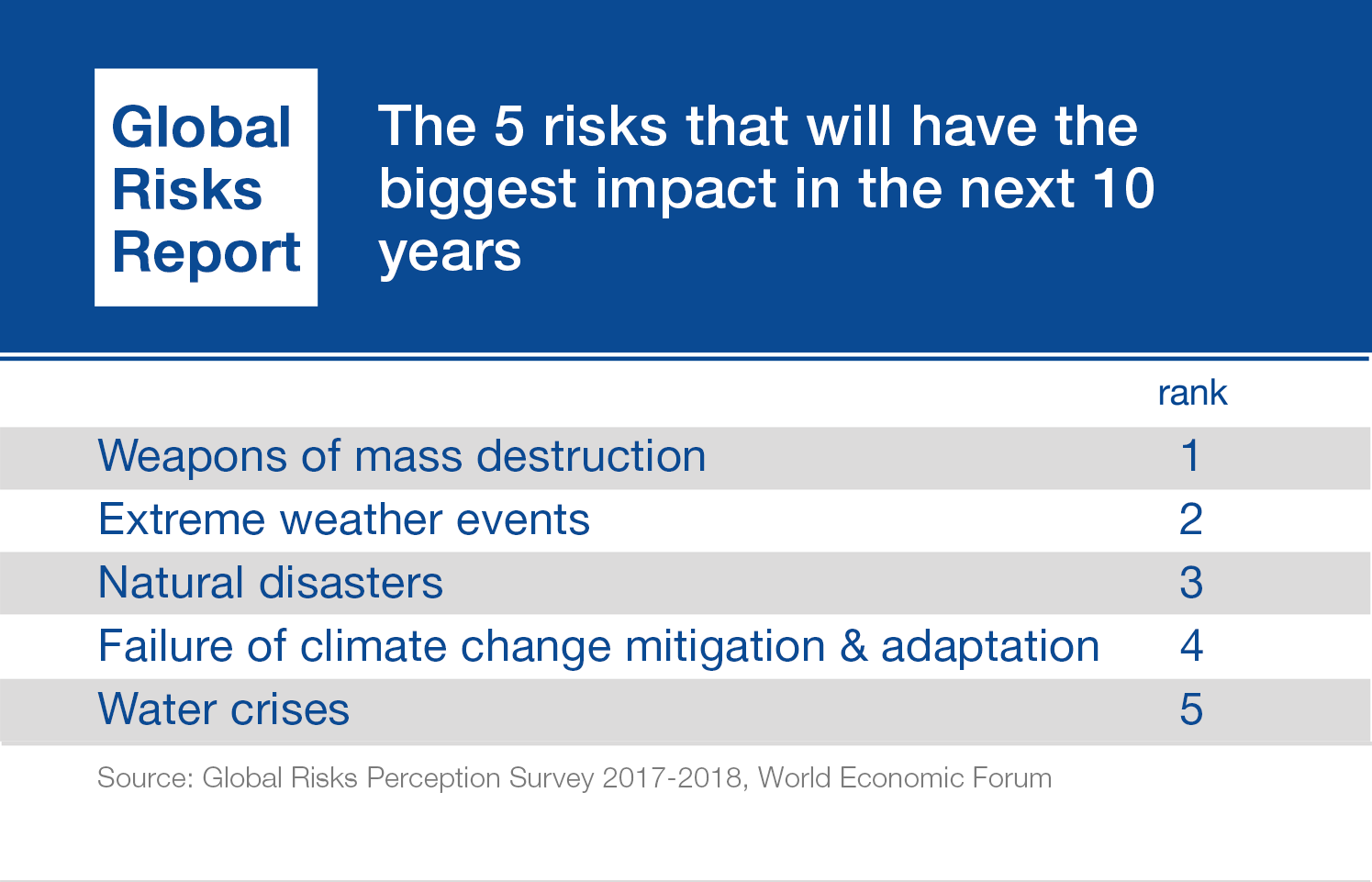
If we continue to produce, consume and power our lives the way we do right now, forests, oceans and weather systems will be overwhelmed and collapse. Our unsustainable way of produce such as agriculture, fisheries, infrastructure projects, mining and energy are leading to unprecedented biodiversity loss and habitat degradation, overexploitation, pollution and climate change. Due to this there is food and water scarcity and the quality of the air we breathe is declining. Every day it becomes clearer of what our unsustainable impact on the environment is doing. A destabilized climate generates more frequent and extreme weather. The last five years have been the warmest five-year period on record. Eleven of the last twelve years (1995 -2006) rank among the 12 warmest years in the instrumental record of global surface temperature since 1850. The Arctic warmed much faster than predicted and the UN estimates that in the last 10 years, climate-related disasters have caused $1.4 trillion of damage worldwide.Forests are under pressure like never before, through unabated deforestation.
Our oceans are under great stress as we dump plastic and toxic chemicals into the sea. We catch fish wastefully and in an unsustainable manner, with 90% of the world’s fish stocks being overfished. We’ve lost 50% of the world’s coral reefs in the last 30 years. Oceans can absorb about a thousand times as much heat as the atmosphere. Because of this they create a massive inertia in climate change, which delays its onset, but ensures that once it begins, it cannot be reversed in anything less than several centuries.
‘It matters because we can’t have a prosperous future on a depleted planet, and all signs are pointing to human activity driving the Earth to the edge.‘
What can the future hold:
Approximately 20-30% of plant and animal species assessed so far are likely to be at increased risk of extinction if increases in global average temperature exceed 1.5-2.5oC.
We will endure more intense and longer droughts.
46 million people per year are currently at risk of flooding from storm surges, this number will only increase.
Just 1 meter of sea rise may eliminate an entire small island.
Hurricanes will become stronger.
The Arctic is likely to become ice free.
By 2100, which really isn’t that far off, in South Asia and Sub Saharan Africa, up to 145 – 220 million additional people could fall below the $2-a-day poverty line, and every year an additional 165,000 – 250,000 children could die compared with a world without climate change.
‘The equation is a simple one: we will not build a stable, prosperous and equitable future for humanity on a degraded planet.‘
Please if you want to continue your research check out the links below.
 Protect the Planet